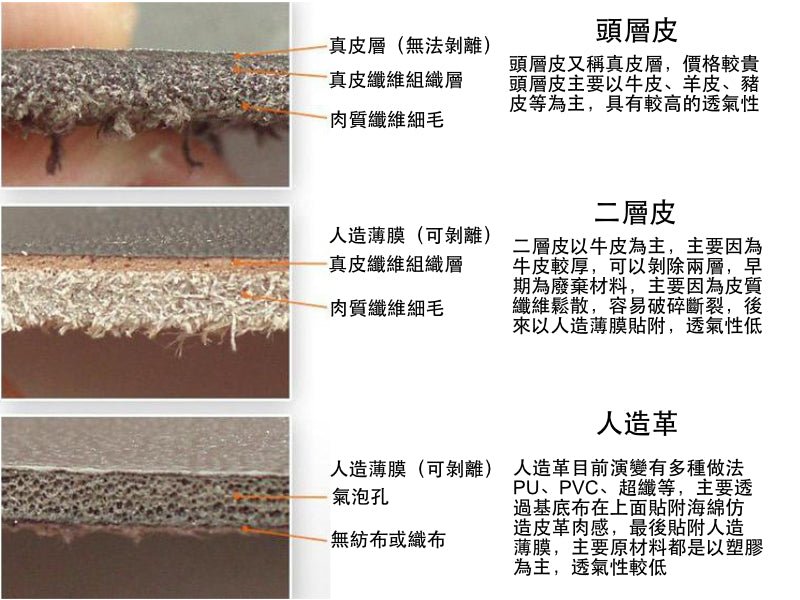
When buying leather goods, avoiding fakes is a common concern. This article introduces five methods to identify genuine leather to help consumers distinguish between real and fake leather. The first is to identify by touch. Genuine leather is usually softer and more elastic, while fake leather may feel harder or like plastic. Next is the texture observation. Genuine leather has a unique texture, while the texture of fake leather may appear repetitive and rigid. The article mentions olfactory identification. Genuine leather emits a unique leather smell, while fake leather may have a plastic or chemical smell. Destructive inspection is also a method, including scraping and tearing the leather to observe its internal structure, and distinguishing genuine leather from fake leather through the smell and ignition point after burning. In addition, the article provides other comprehensive methods such as texture observation, bending test, and water drop test. Finally, price, brand, labeling and certification can also provide some reference. Overall, these suggestions can help consumers better judge the authenticity of leather, and suggest that if they are unsure, they can consult professionals or choose to buy from reputable merchants.